
Designing a Safe Kitchen for Food Allergy Sufferers
When designing a safe kitchen for food allergy sufferers, you'll want to prioritize functional organization, easy-to-clean surfaces, and smart storage strategies. Position high-risk food areas away from common cooking zones, and consider investing in allergy-friendly appliances. Implement dedicated allergy zones, clear labeling, and simple signage guidelines to prevent cross-contamination. Establish daily deep cleaning routines, focusing on high-touch zones, and select germ-killing products carefully. By following these guidelines, you'll create a safe and efficient kitchen environment. Now, dive deeper into the specifics to guarantee every meal is a safe one.
Key Takeaways
• Position high-risk food areas away from common cooking zones to minimize cross-contamination.
• Implement dedicated allergy zones and use clear labeling and signage to prevent mix-ups.
• Designate specific areas for different food types and use separate surfaces, utensils, and equipment.
• Establish a regular cleaning schedule and sanitize surfaces after each use to prevent cross-contamination.
• Handle allergenic foods last and use separate cooking vessels and utensils to minimize exposure to other foods.
Designing an Allergy-Friendly Layout
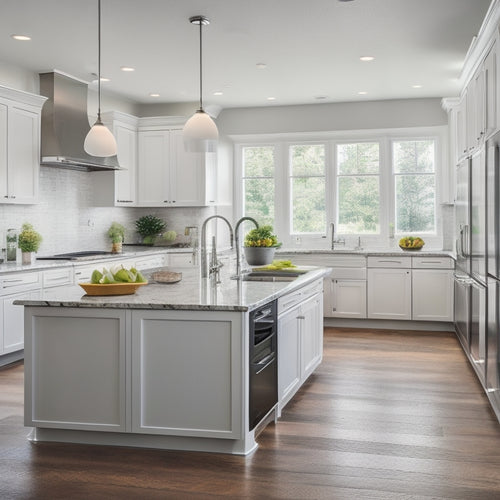
When designing an allergy-friendly kitchen, start by positioning high-risk food areas, such as those used for preparing nuts or gluten, away from common cooking zones to minimize cross-contamination. This simple step can reduce the risk of accidental exposure to allergens.
Next, consider investing in allergy-friendly appliances, such as separate cooking stations or surfaces, to further prevent cross-contamination. Functional organization is key in an allergy-friendly kitchen. Assign specific areas for specific tasks, like a dedicated zone for preparing allergy-friendly meals. This will help you stay focused and avoid errors.
Additionally, ensure that countertops, sinks, and floors are easy to clean and resistant to harboring allergens. By implementing these design strategies, you'll create a safe and efficient kitchen environment that allows you to cook with confidence.
With a well-designed layout, you can minimize the risk of allergic reactions and enjoy mealtime with peace of mind.
Safe Food Storage Strategies
When it comes to safe food storage, you'll want to implement strategies that minimize cross-contamination and guarantee easy identification of allergenic foods.
You'll achieve this by creating dedicated allergy zones, using clear labeling and signage, and designating contained food areas.
Dedicated Allergy Zones
By designating specific areas for storing allergy-friendly foods, you can effectively prevent cross-contamination and guarantee a safe eating environment. This allergy-friendly organization is essential in a kitchen where food allergies are a concern. Designated prep areas for allergy-friendly foods should be separate from areas used for common allergens like nuts, gluten, or dairy. This segregation ensures that utensils, cutting boards, and countertops are not exposed to allergens, reducing the risk of accidental ingestion.
To take it a step further, consider designating zones for specific allergen-friendly foods. For example:
| Food Zone | Designated Area |
| Gluten-free | Top shelf of pantry |
| Nut-free | Designated cupboard near the cooking station |
| Dairy-free | Lower shelf of refrigerator |
Labeling and Signage
You can further safeguard your kitchen by implementing a clear labeling and signage system that identifies the designated zones and storage areas for specific allergen-friendly foods. This system will help you and others quickly recognize where certain foods are stored, reducing the risk of cross-contamination and accidental exposure.
Use warning labels and safety signs to highlight areas where specific allergens are present, such as 'Peanut-Free Zone' or 'Tree Nut Storage.' Consider using color-coding or symbols to differentiate between zones, making it easy to distinguish between gluten-free, dairy-free, and other dietary restriction areas. Caution symbols, like exclamation marks or warning triangles, can also be used to draw attention to specific storage areas.
Contained Food Areas
In a kitchen where food allergy sufferers prepare meals, designating contained food areas is essential for preventing cross-contamination and ensuring safe food storage. You'll want to identify specific zones for different types of food to minimize the risk of hidden dangers. This spatial organization is critical in preventing accidental exposure to allergens.
Here are some strategies to bear in mind:
-
Designate a specific area for food storage, such as a pantry or cupboard, and organize it by food type (e.g., gluten-free, dairy-free, etc.).
-
Assign a specific counter or workstation for preparing allergy-friendly meals to prevent cross-contamination with other foods.
-
Keep in mind using separate cooking utensils, pots, and pans for allergy-friendly cooking to prevent residue buildup.
Labeling and Signage Essentials
Accurate labeling and signage are vital components of a safe kitchen for food allergy sufferers, as they enable quick identification of potential allergens and prevent cross-contamination. You'll want to implement allergy-friendly labeling that clearly indicates the contents of containers, shelves, and appliances. This includes labeling ingredients, food products, and equipment to make certain that everyone in the kitchen is aware of potential allergens.
When it comes to signage, establish guidelines that are simple to follow. Post signs in prominent areas indicating which foods contain common allergens like peanuts, tree nuts, fish, shellfish, milk, eggs, wheat, and soy. You can also use color-coding to differentiate between safe and unsafe foods.
Additionally, consider labeling areas where cross-contamination is likely to occur, such as countertops, utensils, and equipment. By following these signage guidelines, you'll create a kitchen environment where food allergy sufferers can feel safe and confident.
Sanitizing and Cleaning Routines
When you're managing food allergies, a clean kitchen is essential.
You'll want to establish a daily thorough cleaning routine that targets high-risk areas, such as countertops and utensils, to reduce cross-contamination risks.
Daily Deep Cleaning
How do you ensure your kitchen is a safe haven from food allergens on a daily basis? By incorporating daily deep cleaning into your routine, you can greatly reduce the risk of cross-contamination and exposure to allergens. This requires more than just wiping down surfaces; it demands a thorough approach to sanitizing and cleaning.
Here are some essential practices to include in your daily routine:
-
Create a cleaning schedule: Set aside time each day to tackle high-risk areas, such as countertops, sinks, and appliances.
-
Focus on high-touch zones: Pay special attention to areas that are frequently touched, like faucet handles, drawer pulls, and light switches.
-
Disinfect with a purpose: Use a disinfectant specifically designed to kill germs and allergens, and make sure to follow the instructions for proper use.
Germ-Killing Product Selection
You'll want to select germ-killing products that are specifically designed to combat food allergens and germs, and that meet your unique cleaning needs. When choosing products, consider their effectiveness in eliminating allergens and germs. Look for products with proven track records, backed by scientific research and positive user reviews. It's vital to select products that are gentle on surfaces yet tough on germs.
In addition to product effectiveness, consider cost-effective options that fit your budget. You don't have to break the bank to maintain a clean and safe kitchen. Opt for products that offer value for money, without compromising on quality.
Sustainability concerns are also important, as you'll want to minimize your environmental footprint. Choose products with eco-friendly packaging, biodegradable formulas, and refill options to reduce waste.
Specialized Cooking Stations
Designated cooking stations can greatly reduce the risk of cross-contamination in kitchens where food allergy sufferers prepare meals. By creating separate areas for specific tasks, you can minimize the chance of allergens spreading to other foods. This is especially important when preparing meals for individuals with severe food allergies.
Here are some key features to keep in mind when designing your specialized cooking stations:
-
Separate surfaces: Use dedicated countertops, tables, or islands for specific tasks, such as meat preparation, gluten-free baking, or dairy handling. This prevents cross-contamination from utensils, ingredients, or residue.
-
Customized equipment: Invest in equipment designed for specific tasks, like a separate gluten-free toaster or a dairy-free blender. This ensures that equipment isn't shared between allergy-prone foods and reduces the risk of cross-contamination.
-
Clear labeling: Label each station clearly, so everyone in the kitchen knows which area is dedicated to which task or food type. This helps maintain organization and minimizes the risk of mistakes.
Implementing Cross-Contamination Controls
Implementing effective cross-contamination controls is crucial in a kitchen where food allergy sufferers prepare meals, as even the slightest mistake can have severe consequences. You must prioritize cross-contamination prevention to guarantee a safe cooking environment. Start by organizing your kitchen to minimize the risk of cross-contamination. Assign separate areas for preparing allergenic and non-allergenic foods, and designate specific utensils and equipment for each area.
| Prevention Strategies | Implementation Tips |
|---|---|
| Separate food preparation | Designate specific countertops or stations for allergenic and non-allergenic foods |
| Dedicated utensils and equipment | Label and store utensils and equipment separately to avoid mix-ups |
| Cleaning and sanitizing | Establish a regular cleaning schedule and sanitize surfaces after each use |
| Safe food handling | Handle allergenic foods last to minimize exposure to other foods |
| Cooking techniques | Use separate cooking vessels and utensils for allergenic and non-allergenic foods |
Related Posts
-
5 U-Shaped Kitchen Layout Ideas to Revamp Your Space
You're about to reveal the secret to a kitchen that's both stunning and supremely functional, where every inch of spa...
