
What's the Secret to a Clutter-Free Kitchen Sink?
You can maintain a clutter-free kitchen sink by identifying and optimizing the often-overlooked spaces around your sink. Start by measuring your sink dimensions and noting clutter-prone areas. Then, choose an organizer that fits your sink and needs, and install it according to instructions. Clear clutter, wipe down the sink area, and utilize organizers like sink caddies and wall hooks. To keep your sink area organized, establish daily cleaning routines, schedule weekly deep cleans, and practice good time management. By following these steps, you'll be well on your way to a clutter-free kitchen sink - and there are even more strategies to explore to keep your sink area organized and efficient.
Key Takeaways
• Assess and measure your kitchen sink space to identify hindrances and optimize the area for efficient use.
• Choose and install the right organizer, such as a sink caddy or shelf, to maximize storage and accessibility.
• Clear clutter and maintain the sink area through regular upkeep, utilizing tools like soap dispensers and sponge holders.
• Optimize corner spaces with specialized organizers, like corner shelves or hanging organizers, to increase storage capacity.
• Establish a daily cleaning routine and "one in, one out" policy to maintain a clutter-free kitchen sink area long-term.
Assessing Your Kitchen Sink Space
Take stock of your kitchen sink space by measuring its dimensions and identifying any hindrances, such as pipes or soap dispensers, that could impede your cleaning and organizational efforts. This essential step will help you determine the most efficient way to optimize your sink area for optimal performance.
When evaluating your space, consider the shape and dimensions of your sink, as well as the position of the faucet and any other permanent features. Make note of any areas that tend to gather clutter, such as the countertops or the region around the drain.
Choosing the Right Organizer
You'll need to select an organizer that fits your sink's unique dimensions and accommodates its permanent features, such as the faucet and pipes. Ponder the type of items you want to store, like dish soap, sponges, and scrubbers. Reflect on the layout you need to achieve a clutter-free sink area.
Here are some popular organizer options to contemplate:
| Organizer Type | Key Features | Benefits |
|---|---|---|
| Over-the-sink shelf | Adjustable height, compact design | Maximizes vertical space, easy access |
| Under-sink drawer | Sliding drawer, customizable dividers | Conceals items, easy to clean |
| Magnetic board | Strong magnetic hooks, compact size | Holds frequently used items, saves counter space |
| Sink caddy | Adjustable arms, sturdy design | Holds multiple items, easy to install |
When choosing an organizer, ponder about your specific needs. Do you need drawer dividers to separate items? Would magnetic hooks help keep frequently used items within reach? Take into account your priorities and select an organizer that fits your unique needs.
Measuring for a Perfect Fit
Before choosing an organizer, measure your sink area accurately to guarantee a seamless fit, considering the dimensions of the sink basin, faucet, and any obstructions like pipes or garbage disposals. This essential step secures your chosen organizer fits snugly, maximizing your sink organization. Take out your tape measure and note the length, width, and depth of your sink basin. Don't forget to measure the distance between the faucet and any obstructions, as well as the space beneath the sink.
Next, measure the space around the sink, including the countertops and any surrounding cabinets. This will help you determine the ideal size and shape of your organizer. Consider the height and width of the organizer, ensuring it fits comfortably under the faucet and doesn't obstruct the surrounding area. Accurate space measurement is vital to achieving a clutter-free kitchen sink.
Preparing the Sink Area
Clearing the sink area of clutter and debris is essential to creating an organized and functional space. Start by wiping down the sink basin, faucet, and surrounding countertops with a damp cloth to remove any dirt, grime, or soap scum.
Next, gather any items that don't belong in the sink area, such as dirty dishes, utensils, or trash, and put them in their designated places. This will give you a clean slate to work with.
Take a closer look at the sink area and identify any items that you use regularly, such as sponges, dish soap, or scrubbers. Consider investing in a sink caddy or tray to corral these items and keep them within easy reach.
You can also utilize wall hooks to hang items like dish towels, oven mitts, or even a soap dispenser. By clearing the clutter and assigning a home to each item, you'll be well on your way to a clutter-free kitchen sink.
Installing the Organizer System
Now that your sink area is prepared, it's time to install the organizer system.
You'll need to mount the unit securely to the wall or countertop and then configure the shelves to fit your specific needs.
Mounting the Unit
You'll need to measure the area under your kitchen sink carefully to determine the best placement for the organizer system. When customizing placement, consider the location of pipes, electrical outlets, and any other obstructions that may affect the installation. Take note of the distance between the sink basin and the wall, as well as the width of the cabinet doors.
Next, decide on the mounting type that suits your needs. You can choose from wall-mounted, under-sink mounted, or a combination of both. If you have limited space, consider alternative storage options like adhesive hooks or magnetic strips to hang items like scrubbers, dish towels, or spices.
Before drilling any holes, double-check the measurements and verify the system is level. Use the manufacturer's instructions as a guide, and don't hesitate to ask for help if you're unsure about any part of the process.
Configuring the Shelves
With your organizer system mounted securely, it's time to configure the shelves to maximize your kitchen sink's storage capacity. Start by assigning a home for each item you use frequently, such as dish soap, sponges, and scrubbers. Use container solutions and organizing tools to keep similar items together and make the most of your shelf space. Consider installing custom shelves with built-in compartments or dividers to separate items and prevent clutter from building up.
Next, think about the items you use less frequently, such as special occasion dishes or infrequently used kitchen gadgets. Store these items on higher or lower shelves, or consider using drawer dividers to keep them organized in a nearby drawer.
Keep in mind the 'golden zone' – the area between your waist and shoulder height – where you should store your most frequently used items for easy access. By configuring your shelves thoughtfully, you'll be able to find what you need quickly and easily, and your kitchen sink area will remain clutter-free and functional.
Maximizing Corner Storage
Installing a carousel or lazy Susan in your kitchen sink's corner space allows easy access to frequently used items, keeping them organized and within reach. This simple storage solution can make a significant difference in maintaining a clutter-free kitchen sink area.
By maximizing corner storage, you can:
-
Keep frequently used items within easy reach, such as soap, sponges, and scrubbers.
-
Free up counter space by storing items like dish soap, dish towels, and trash bags.
-
Reduce clutter by storing items that tend to accumulate around the sink, like dirty dishes and utensils.
- Improve overall organization, making it easier to find what you need when you need it.
Utilizing Vertical Space Effectively
Now that you've tackled corner storage, it's time to focus on making the most of your kitchen's vertical space.
You can start by maximizing wall storage with shelves, hooks, or a pegboard to keep frequently used items within easy reach.
Maximize Wall Storage
Hang a pegboard or a magnetic board on a wall near your kitchen sink to create a convenient spot for frequently used items, freeing up counter space and streamlining your cleaning routine. This is a great way to maximize wall storage and keep your kitchen organized.
Here are some essentials to hang on your pegboard or magnetic board:
-
Spices: Keep your favorite spices within easy reach, saving you time and effort when cooking.
-
Oils and vinegars: Store your oils and vinegars in a convenient spot, making meal prep a breeze.
-
Kitchen utensils: Hang frequently used utensils like tongs, whisks, and spatulas, keeping them organized and out of the way.
- Cleaning supplies: Store cleaning essentials like dish soap, scrubbers, and sponges, making it easy to clean up after meals.
Optimize Corner Spaces
You can create additional storage and keep your kitchen sink area clutter-free by making the most of the often-wasted corner spaces around your sink. These areas are perfect for installing a corner shelf or a sink caddy to hold items like soap, sponges, and scrubbers. By utilizing vertical space effectively, you can free up counter space and reduce clutter.
Here are some ideas to optimize corner spaces:
| Corner Solution | Description |
|---|---|
| Corner Shelf | Installs easily and provides a flat surface for storing small items |
| Sink Caddy | Attaches to the side of the sink and holds soap, sponges, and scrubbers |
| Hanging Organizer | Suspends from the ceiling and stores infrequently used items |
| Corner Basket | Woven or plastic basket that fits snugly into the corner |
| Adjustable Shelf | Customizable shelf that can be moved up or down as needed |
Keeping Frequently Used Items Accessible
By designating a specific spot near the sink for your most frequently used items, such as soap, sponges, and scrubbers, you can guarantee they're always within easy reach. This simple strategy is a game-changer for maintaining a clutter-free kitchen sink.
Here are some essential items to keep within arm's reach:
-
Soap dispenser: For quick handwashing and cleaning up messes.
-
Sponge holder: To keep your sponge clean and dry, reducing bacterial growth.
-
Scrubber container: Store scrubbers in a designated spot to prevent them from getting lost or scattered.
- Dish soap bottle: Keep dish soap nearby for effortless dishwashing.
Maintaining Your New System
Your newly organized kitchen sink area requires regular maintenance to maintain it stays clutter-free and functional. To keep your sink area organized, incorporate daily maintenance into your routine. This can be as simple as wiping down the sink and faucet after each use, putting away dishes and utensils immediately, and giving the sink a quick clean after meals.
In addition to daily maintenance, schedule a deep clean of your sink area every week or two. This will help remove any built-up grime and keep your sink looking its best. A consistent upkeep routine will also help prevent clutter from building up again.
Set aside some time each week to declutter your sink area, getting rid of any items that are no longer needed or are taking up valuable space. By incorporating daily maintenance and deep cleaning into your routine, you'll be able to enjoy your clutter-free kitchen sink area for months to come.
Tips for Long-Term Organization
Set clear boundaries for what belongs near the sink and what doesn't to prevent clutter from creeping back in. This will help you maintain a clutter-free kitchen sink in the long run.
To secure long-term organization, follow these tips:
-
Designate a daily cleaning routine: Allocate 10-15 minutes each day to tidy up the sink area, washing any dishes, and wiping down the sink.
-
Implement a 'one in, one out' policy: Whenever you introduce a new item near the sink, remove or donate an old one to maintain space efficiency.
-
Schedule weekly deep cleans: Set aside 30 minutes each week to deep clean the sink, faucet, and surrounding areas to prevent grime buildup.
- Practice good time management: Prioritize tasks, like washing dishes immediately after meals, to avoid piling up and creating clutter.
Related Posts
-
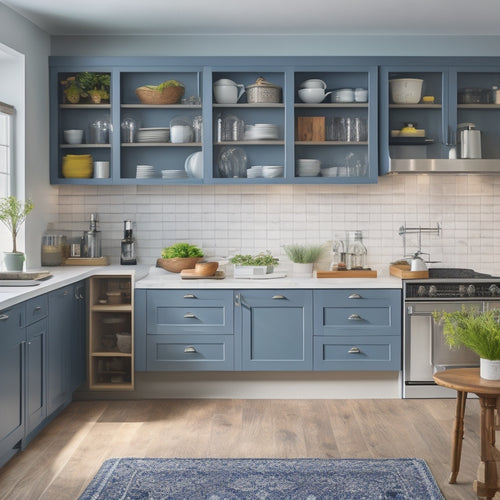
Revamp Your Kitchen Storage With These Tips
A well-organized kitchen storage system is essential to a clutter-free and functional cooking space. To enhance your ...
